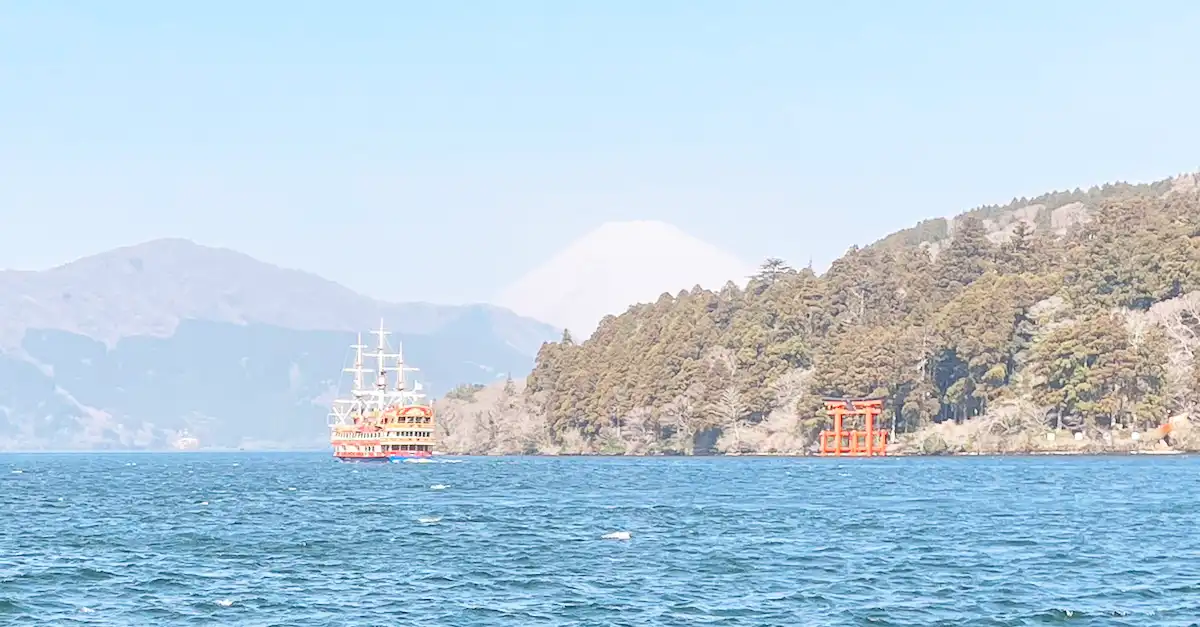
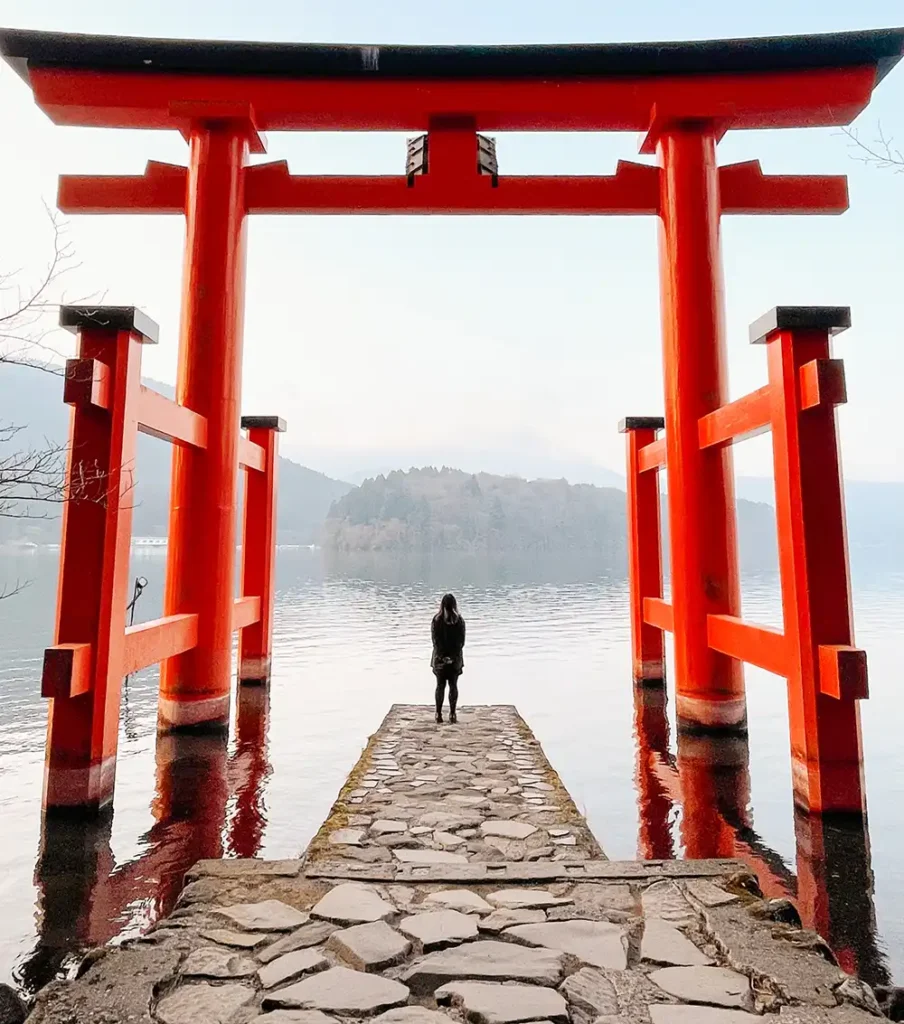
When I was planning my visit to Hakone, there was one must-do thing on my bucket list: to visit the iconic Hakone Shrine Torii. Also known as the Floating Torii Gate or Heiwa no Torii (“Torii of Peace”), this stunning structure gracefully sits over the waters of Lake Ashi. The bright red gate, framed by the peaceful lake and the surrounding mountains, is basically a postcard of Japan’s natural beauty—and it’s hard to not want to capture that perfect shot.
The iconic Hakone Torii Gate over water photo
On a previous walking tour in Yanaka Ginza, I learned that in Japanese culture, the Torii gate marks the boundary between the physical and spiritual worlds, inviting visitors to pause and reflect as they approach sacred sites. Whilst Torii gates are a common structure around Japan (and there are far less crowded ones at other shrines), this particular Torii Gate of Hakone Shrine is revered for its setting.
Visitors come from all over—both tourists and worshippers—to experience the serene atmosphere the Torii Gate offers. The irony, though, is that it’s anything but serene during peak hours. While the gate and the surroundings are undeniably breathtaking, the reality is that everyone else has the same idea of getting that perfect shot. I had a giggle when I saw one Google Maps review say, “People take photos like they’re posing for Vogue.”
After a bit of research, I decided I wanted to visit during sunrise—and avoid the Vogue models.

What I discovered while planning my Hakone trip
After trawling Japan travel forums and reading through posts and reviews from past visitors, I gathered a few key insights:
- Hakone can get pretty crowded (especially post-COVID)
- A good chunk of that crowd gathers at the Torii Gate
- Expect to wait in line for 1-2 hours just to snap that iconic photo with the Torii
- The best times to avoid the crowds are early in the morning or later at night, when there are no day-trippers or tour groups
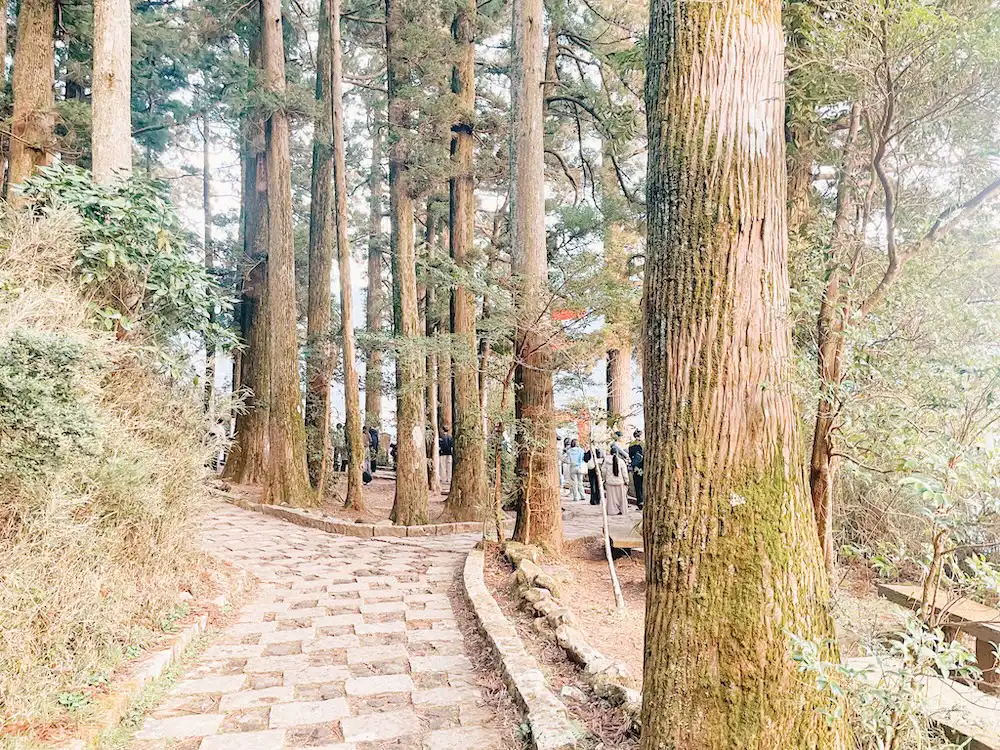
How I planned my trip to avoid the crowds for that iconic shot
When I plan my trips, I like to avoid wasting time waiting in line for things like a photo op. There was no way I was going to stand around watching hundreds of people pose in front of the Torii Gate while waiting for my 30-second moment.
Hakone has so much to offer, and standing in line was definitely not part of the plan. So, I put together a strategy that allowed me to have my cake and eat it too.
Here’s how I made the most of my Hakone trip and still got that perfect shot.
Stay overnight in Hakone
I stayed in Hakone for two nights—but seriously, even that wasn’t enough to fully explore everything it has to offer. Hakone is so much more than just the Torii Gate, and if you only do a day trip, you’ll probably spend half your time waiting in line for that perfect photo.
It’s also incredibly crowded. I’m talking sardines-in-a-can crowded! When I visited on a Wednesday and Thursday in late March, there were lines for everything, and people were everywhere. It kind of reminded me of Ubud (Bali)—beautiful but overcrowded. Staying overnight gave me the chance to enjoy Hakone without the crowds, especially when most of the day-trippers had left.
Location matters: Stay at Hotel de Yama if you can
For my first night in Hakone, I stayed at a ryokan in Tonosawa to experience the mountain and forests. But on my second day, I moved down to Motohakone and intentionally booked a night at Hotel de Yama. I knew I wanted to visit Hakone Shrine early in the morning, and this hotel was perfect for that.
Hotel de Yama is just a seven-minute walk from Hakone Shrine, making it an ideal base for those who want to see the Torii Gate without the hassle of waking up incredibly early. Plus, it offers a serene view of Lake Ashi, and if you’re lucky, you might even catch a glimpse of Mount Fuji on a clear day. Since the buses don’t run early enough to get you to Hakone Shrine by sunrise, staying near the lake is definitely your best bet.
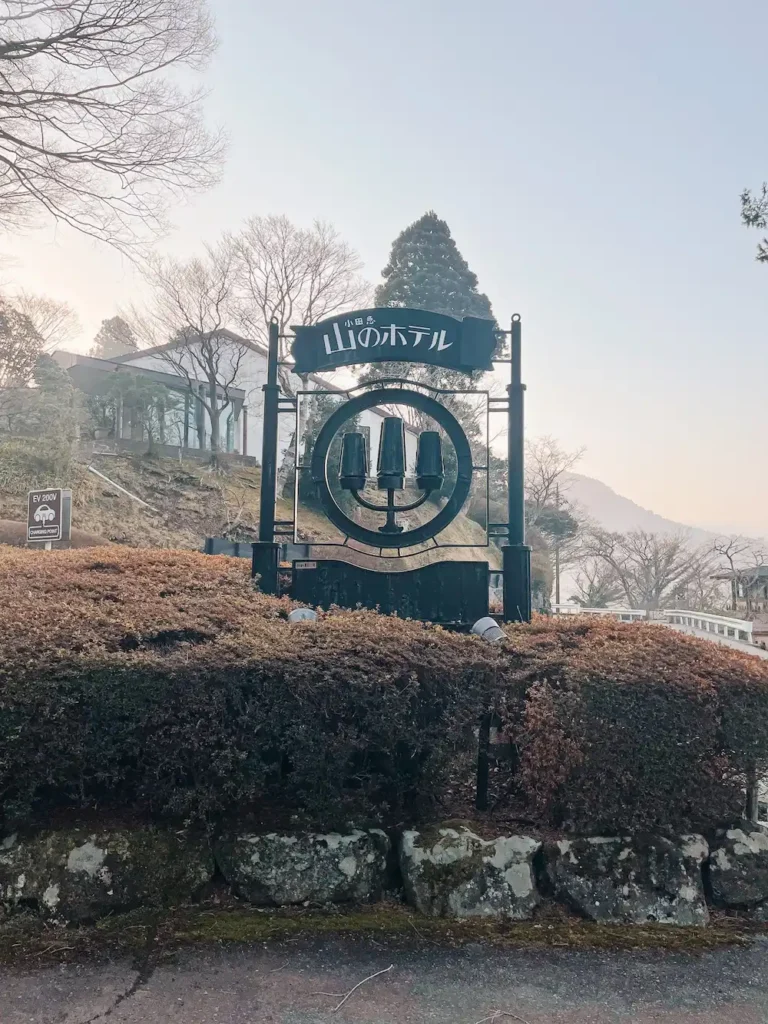
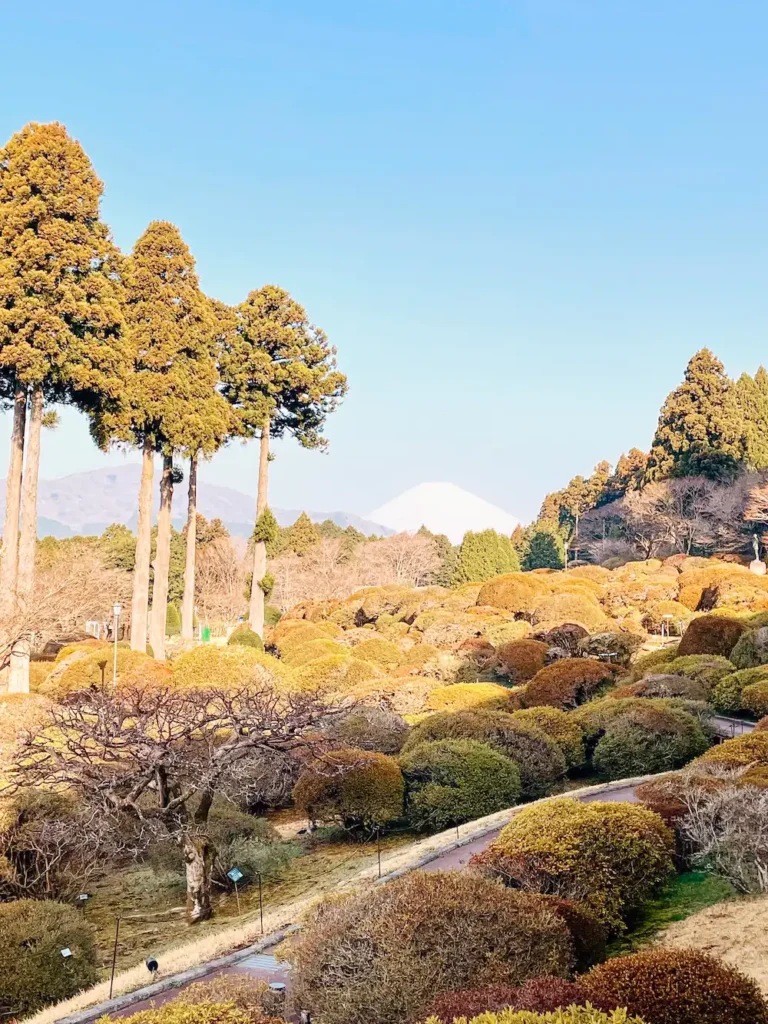
Be prepared to go early—aim to be there around 5.30 a.m.
I’m not sure if the crowds change with the seasons, but when I went in early spring, 5.30 a.m. was right around sunrise. I left my hotel at 5.35 a.m., and leisurely strolled to the Torii Gate, arriving at 5.45 a.m. The funny thing was, I thought I was early, but there were already six people there. The best part though? I still managed to get my photos by 6 a.m.
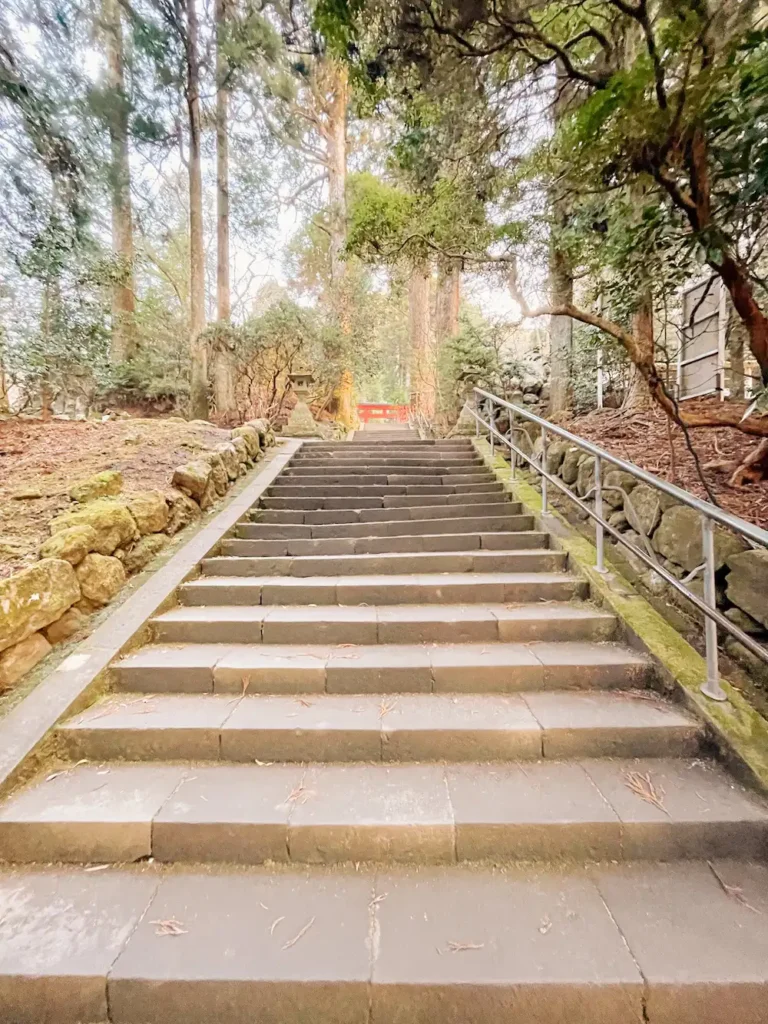
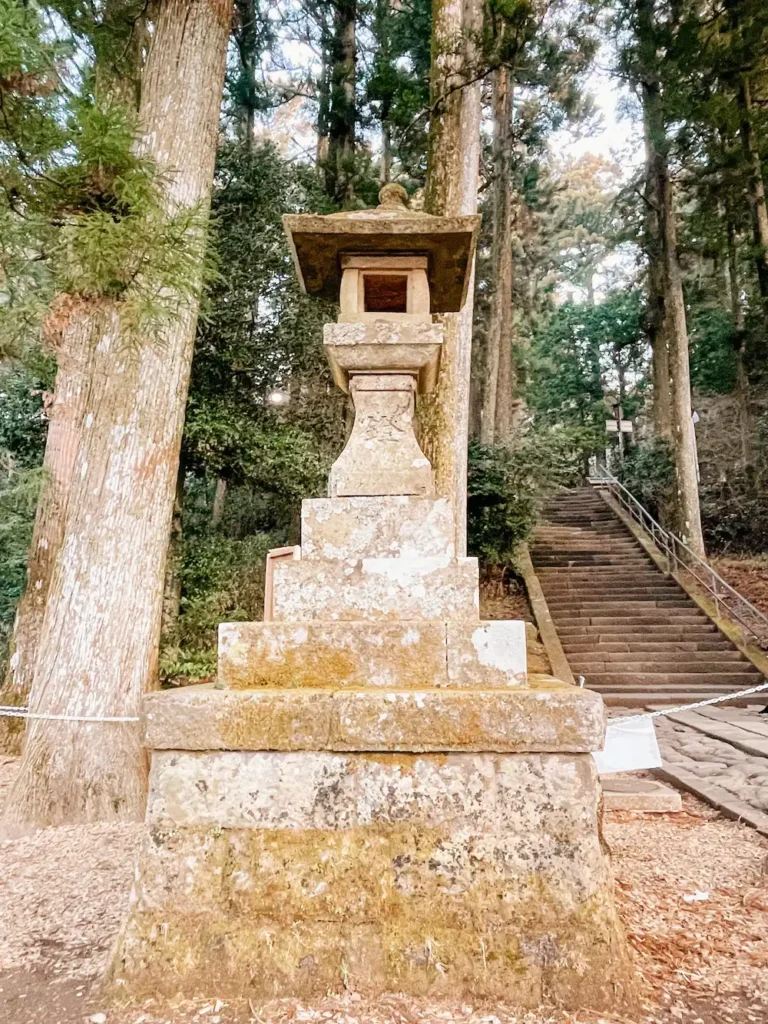
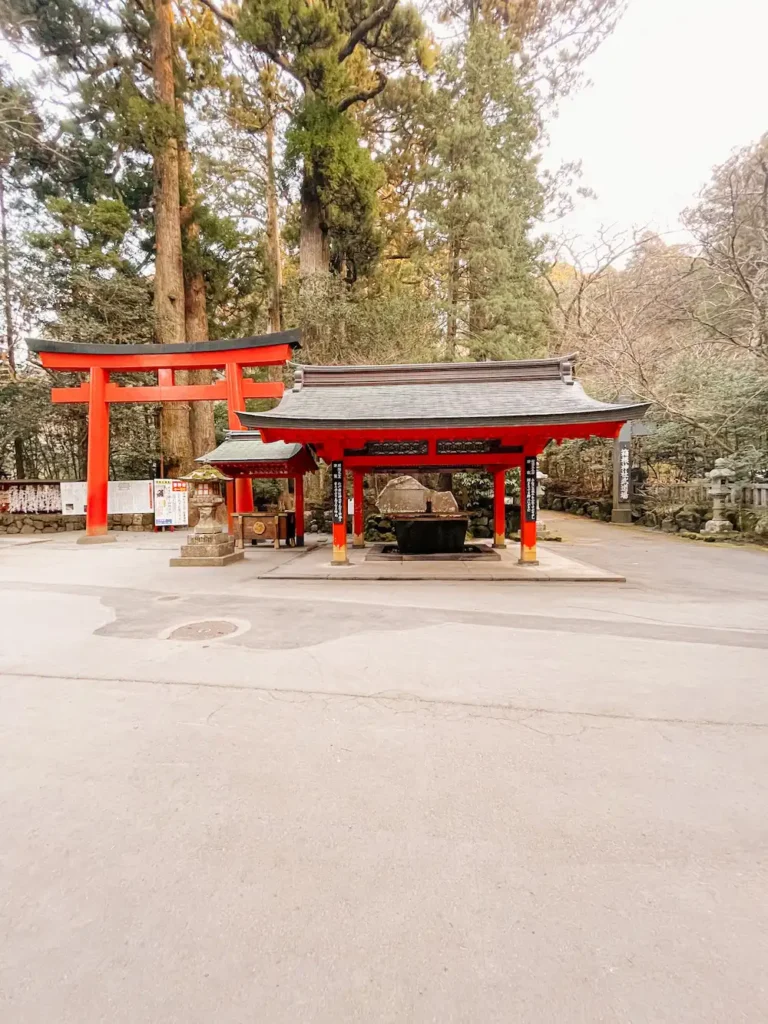
Afterward, I spent about 1.5 hours just strolling around the forest and the lake. In all honesty, I felt like I got so much more out of that time than if I’d been standing in line waiting for my turn to snap a photo.
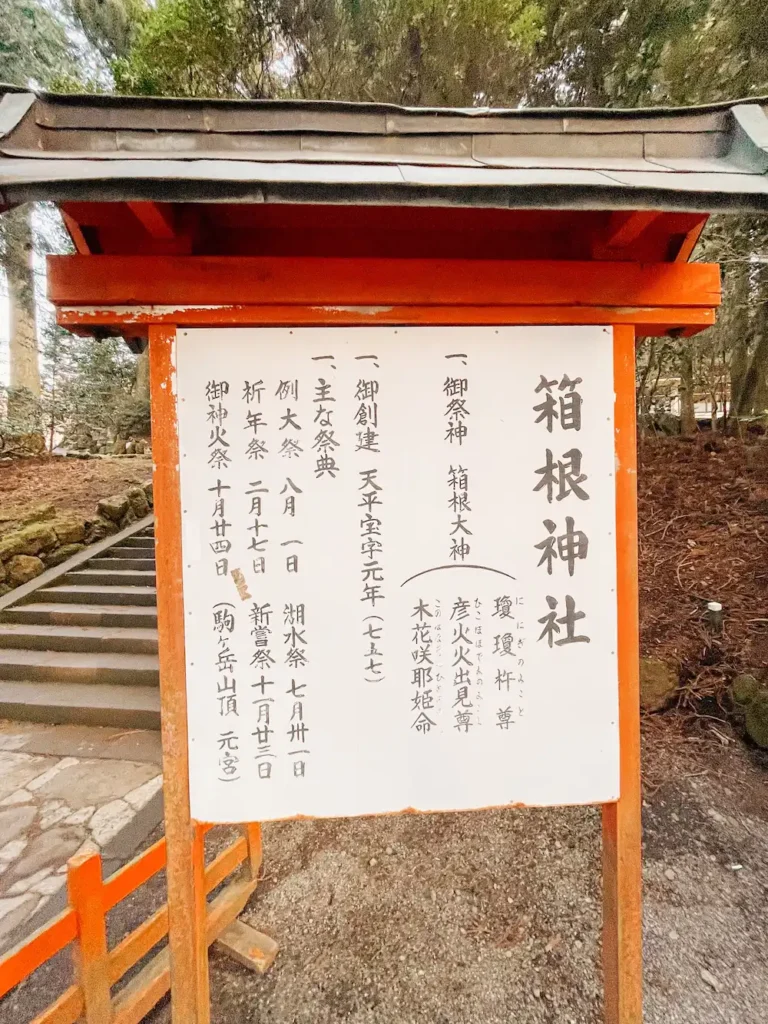
My dilemma: Solo and no tripod (and the solution)
One of the worst feelings when planning a photo op is realising you don’t have anyone to take the shot for you. I usually bring a tripod and Bluetooth remote, but this time, I didn’t have them with me.
Look, I don’t usually hand over my camera or phone to strangers. But! The silver lining of a popular tourist spot like this one is that there’s a decent chance people won’t run off with your gear—especially when they’re also up at 5.45 a.m. for the same photo. In the end, I asked a kind couple behind me if they could take a few shots, and it worked out perfectly.
If you’re heading there solo, don’t be shy about asking someone to snap a photo for you. I saw someone miss out on a full Torii Gate shot because they could only manage a selfie. By the time I was about to offer, he was already on his way.
Final thoughts
Heiwa no Torii is absolutely beautiful and definitely worth visiting if you’re in Hakone. That said, the daytime crowds can detract from its spiritual significance, making it hard to fully experience the essence of Hakone Shrine.
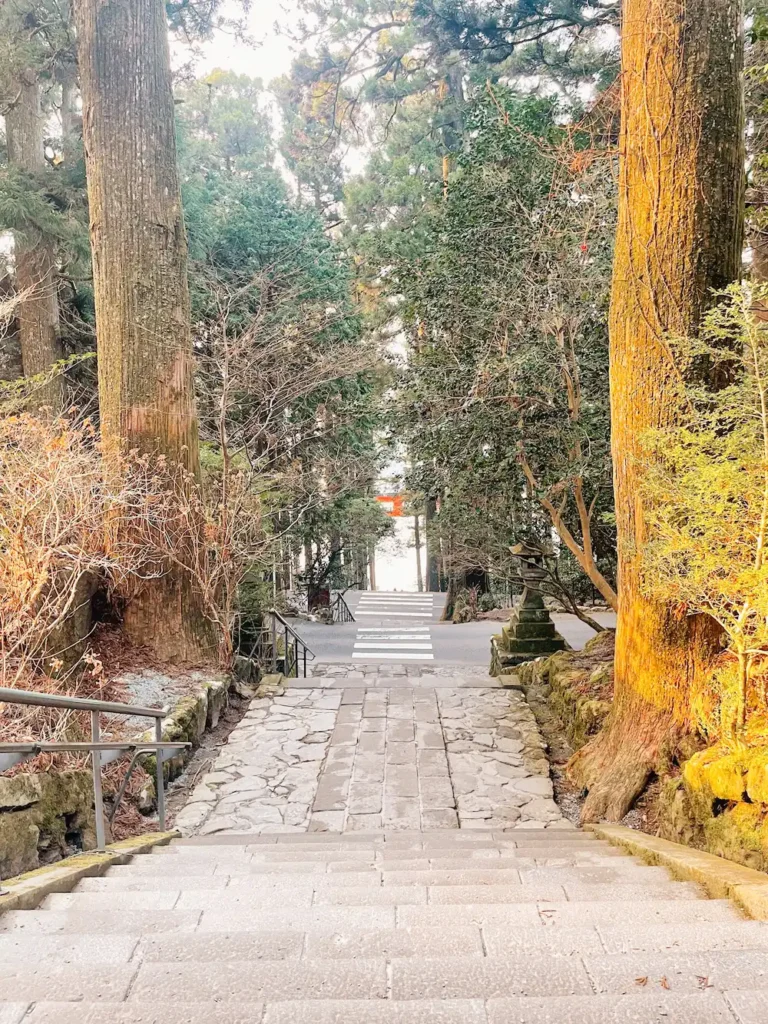
Much like Senso-ji in Asakusa, visiting during “odd” hours gives you a more immersive experience. I really loved visiting Hakone Shrine at sunrise! The morning mist and the fresh forest air were unforgettable and something I will always remember about that place.